







When it comes to vehicle tracking devices for your fleet, you may be wondering what information they actually record and how that data can be used across your business.
Vehicle trackers do more than show where a vehicle is on a map. They can provide useful tracker information around live locations, journey history, driver behaviour, mileage, idling, start and stop locations, time spent at key sites, and more.
In this blog, we’ll explore what data vehicle trackers actually record and how that tracking data is used in reports, along with the laws to keep in mind with vehicle tracking.
What data do vehicle trackers record?
Vehicle trackers can record and store different types of information about your vehicles, drivers, and journeys. This data is designed to help businesses understand how their fleet is being used, where vehicles are going, how long journeys take, and whether there are areas where efficiency, safety, or accountability could be improved.
At Fleetsmart, our vehicle tracking solutions record a whole host of data including:
Location data
Location data is one of the main types of information recorded by our vehicle trackers.
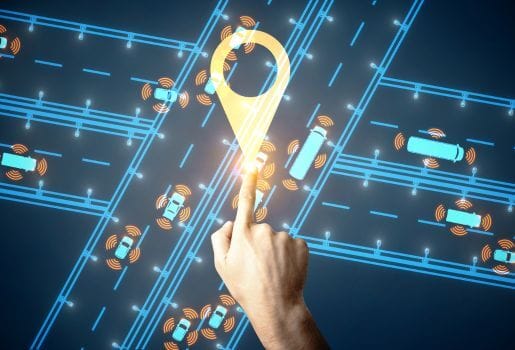
This can include live vehicle locations, start and stop locations, time spent in depot, and when vehicles enter or leave important areas marked as points of interest. This gives businesses a clearer view of where vehicles are during the working day and how they move between jobs, depots, customer sites, or regular locations.
Live location data can help managers check where a vehicle is in real-time, while historic location data can help review where a vehicle has been previously. This can be useful for customer queries, job confirmation, route planning, and understanding how vehicles are being used across the business.
Journey history and tracking records
Journey history is also recorded by our vehicle trackers.
Journey history can show when a vehicle started moving, where it travelled, which route it took, and when the journey ended. This gives businesses a clear record of vehicle activity without relying entirely on manual notes, driver updates, or memory.
These tracking records can be especially useful when reviewing completed jobs, checking mileage, investigating delays, confirming site visits, or understanding whether routes are being used efficiently.
For fleet managers, journey history provides useful context. Instead of simply knowing where a vehicle is, you can look back at how that vehicle has been used over time.
Speed and driver behaviour data
Our vehicle tracking systems can record information linked to vehicle speed and driver behaviour.
This may include overspeeding, idling, harsh braking, harsh acceleration, and driver summary information. These insights can help businesses understand how vehicles are being driven and whether certain driving patterns may need attention.
For example, frequent speeding may create safety concerns, while long periods of idling may increase fuel use and running costs. Harsh braking or acceleration may also point to driving habits that could affect vehicle wear, fuel efficiency, or driver safety.
Used responsibly, driver behaviour data can help businesses support safer, more efficient and more consistent driving standards across their fleet.
Mileage and vehicle usage
Vehicle usage, such as mileage driven, is a key piece of information our vehicle trackers can record.
This can help businesses understand how often vehicles are being used, how far they’re travelling, and whether mileage levels match expected working patterns. Mileage data can also support reporting, job costing, fuel reviews, and general fleet planning.
For businesses with multiple vehicles, mileage reports can help identify whether some vehicles are being used more heavily than others, which can support better vehicle allocation, maintenance planning, and decisions around fleet size.
Time in depot and points of interest
Our vehicle trackers can help businesses monitor how long vehicles spend at key locations.
This could include depots, yards, customer sites, supplier locations, job sites, or other important operational areas. These locations can be marked as points of interest within your chosen tracking system.
Point of interest reports can show when a vehicle enters or leaves a location, while time in depot data can help managers understand how long vehicles remain at certain sites.
This information can support better planning, highlight delays, improve vehicle utilisation, and help managers understand how time is being used throughout the working day.
Driver identification and private usage
With the right setup, our vehicle tracking systems can also support driver identification.
For example, driver identification fobs can help show which driver was using a particular vehicle at a certain time. This can be useful for businesses with shared vehicles, rotating drivers, or teams that need clearer accountability across their fleet.
Some systems can also support private usage reporting or privacy features where vehicles are used for both business and personal journeys. This helps businesses separate business activity from private use where appropriate.
This type of data, however, should be handled carefully, especially where it can identify an individual driver. Businesses should make sure drivers understand how tracking data is collected and used.
PTO reports and additional vehicle data
Some vehicle tracking systems, like ours here at Fleetsmart, can also support additional reports, such as Power Take Off (PTO) reporting.
PTO reports can be useful for businesses operating vehicles with specialist equipment, as they can help monitor when certain vehicle functions or equipment are in use.
Depending on the system and setup, additional tracking information may also be available through reports, alerts, or add-ons. This gives businesses more flexibility to build a tracking solution around how their vehicles are actually used.
How is vehicle tracking data used in reports?
Vehicle tracking data becomes more valuable when it’s turned into clear, easy-to-use reports.
Rather than simply collecting information, a good vehicle tracking system should help businesses understand what that data means. Reports can help managers review fleet activity, compare vehicle usage, monitor driver behaviour, and identify patterns that may be affecting time, cost, or productivity.
Vehicle tracking reports may include:
- Journey history reports
- Start and stop location reports
- Mileage reports
- Driver behaviour summaries
- Speeding reports
- Idling reports
- Time in depot reports
- Point of interest reports
- Private usage reports
- Daily fleet summaries
These reports can support a wide range of business tasks, from checking job attendance and reviewing customer queries, to identifying excessive mileage, inefficient routes, or unauthorised vehicle use.
For busy fleet managers, reports make tracking data easier to review and act on. Instead of checking each vehicle manually throughout the day, businesses can use reports to spot trends, confirm activity, and make better decisions.
How does UK GDPR laws affect vehicle tracking data?
Vehicle tracking data can sometimes be classed as personal data, especially where it can identify a driver or show how an individual has used a vehicle.
This means businesses should keep in mind certain vehicle tracking laws, such as General Data Protection Regulations (GDPR), the Data Protection Act 2018, and wider privacy responsibilities when collecting and using vehicle tracking data.
In practice, this means businesses should think about:
- Why tracking data is being collected
- What information is needed
- Who can access the data
- How long data should be kept
- How drivers are informed
- Whether the data is being used fairly and proportionately
- How the data is stored securely
This doesn’t mean vehicle tracking is illegal. It simply means businesses should be clear, transparent, and responsible with the information they collect.
Find out more about what data our vehicle trackers records
At Fleetsmart, we provide vehicle tracking solutions that help businesses understand where vehicles are, how they’re being used, and what activity is taking place across the fleet.
Our systems can support live location visibility, journey history, driver behaviour insights, mileage reporting, and much more to give businesses the information they need to manage vehicles more effectively.
Whether you operate cars, vans, trucks, HGVs, trailers, plant or wider mobile assets, we can help you access clearer vehicle tracking data through one simple platform.
If you want to understand more about what our vehicle trackers record, don’t hesitate to get in touch with us today to speak to one of our experts and to get a quote for your vehicle tracking requirements.
Vehicle tracker data FAQs
What information does a vehicle tracker provide?
Vehicle trackers can record data such as live location, journey history, start and stop locations, speed, idling, mileage, and driver behaviour. This shows fleet managers useful information such as where the vehicle is, where it’s been, how long journeys take, how much mileage has been completed, and how the vehicle is being driven. The exact data available will depend on the tracking system and features being used.
Do vehicle trackers record speed?
Yes, many vehicle trackers can record speed data. This can help businesses identify speeding events, review driver behaviour, and support safer driving standards.
Do vehicle trackers record conversations?
No, standard vehicle trackers don’t record conversations. They’re designed to record vehicle activity, such as location, journey history, mileage, and driving behaviour. Audio recording is not a standard part of GPS vehicle tracking.
Can vehicle trackers show journey history?
Yes, vehicle trackers can usually show journey history. This allows businesses to review previous routes, start and stop times, mileage, and locations visited.
How much data does a GPS tracker use?
The amount of data a GPS tracker uses can vary depending on the device, update frequency, and tracking features. Systems that update more frequently or send more detailed information may use more data than basic trackers.
Is vehicle tracking data private?
Vehicle tracking data should be handled responsibly, especially where it can identify a driver. Businesses should explain what data is collected, how it’s used, who can access it, and how long it’s kept.