












Choosing a van tracker usually comes down to one key decision: should it be wired into the vehicle, or run on its own battery? Both will show you where your vans are, but they work in different ways, cost different amounts to run, and suit different kinds of fleets.
Get it wrong and you can end up with a device that needs constant recharging, or a more complex installation than a small fleet really needs. For most businesses, the right choice depends on how the vans are used, how long you keep them, and how much detail you want about each journey.
In this blog, we compare a wired tracker with a wireless tracker on power, installation, features, security, and cost, so you can choose the right option for your vans.
What’s the difference between a wired and a wireless tracker?
The main difference between the two is where the power comes from. A wired tracker is connected to the van’s electrical system and draws power from its battery. A wireless tracker runs on its own internal battery and isn’t connected to the vehicle at all.
That one difference affects almost everything else, from how often the tracker can report its location to how much driving data it can collect. Here’s how the two compare at a glance:
| Wired Tracker | Wireless Tracker | |
| Power | The van’s own battery | Its own internal battery |
| Location updates | Continuous while the van is in use | Usually less frequent, to save battery |
| Installation | Professionally fitted, or a quick self-fit | Placed in the vehicle in minutes |
| Driving data | Journeys and speed, plus idling and driver behaviour on hardwired trackers | Mainly location and movement |
| Maintenance | Very little | Battery needs recharging or replacing regularly |
| Best for | Vans in daily use | Trailers, plant assets, and kit without power |
How does a wired tracker work?
A wired tracker is installed in the van and powered by the van’s own battery. Because it never runs out of battery, it can report the van’s location continuously. A hardwired tracker is also connected to the ignition, so it knows exactly when the engine is switched on and off, while a self-fit tracker detects journeys by movement.
There are two common types of wired trackers which include:
– Hardwired trackers that are fitted by an engineer, usually behind the dashboard, with no visible wiring.
– Self-fit trackers that connect to the vehicle in a few minutes, without an engineer.
What are the main advantages of a wired tracker?
The biggest advantage is consistency. A wired tracker reports the van’s location continuously while it’s in use, so journey history, mileage, and time-on-site reports are complete. With our wired tracking systems here at Fleetsmart, the live location updates every 60 seconds, meaning you have real-time data almost instantly.
A wired tracker can also tell you when a van is being used out of hours. Because a hardwired tracker is connected to the ignition, it can go further and show how long a van has been idling and how it’s being driven, including speeding, harsh braking, and harsh acceleration. A hardwired system also supports remote immobilisation.
What are the disadvantages of a wired tracker?
A hardwired tracker needs to be installed by an engineer, which means booking the van in for 30 to 45 minutes. If you change vans often, moving a tracker to a new vehicle will also need an engineer visit.
Opting for a self-fit tracker can avoid most of that, although it doesn’t offer every feature of a hardwired installation.
How does a wireless tracker work?
A wireless tracker is a self-contained unit with its own battery. It can be placed almost anywhere in a vehicle, trailer, or piece of equipment, and sends its location over a mobile network. That makes wireless vehicle tracking quick to set up, because nothing needs to be connected.
To make the battery last, most wireless trackers report their location less often than a wired one. Many check in a few times a day, or only when they detect movement.
What are the advantages of a wireless tracker?
A wireless GPS tracker is quick to set up and easy to move between vehicles. It’s a good fit for assets that don’t have a power supply of their own, such as unpowered trailers, containers, generators, and some tools.
A wireless car tracker can also be hidden almost anywhere in a vehicle, so it can work as a back-up if a thief finds and removes the main tracker.
What are the disadvantages of a wireless tracker?
The biggest disadvantage of a wireless tracker is the battery. It needs recharging or replacing regularly, and if it runs flat the tracker stops reporting, often when you most need it.
Because a wireless tracker isn’t connected to the ignition, it usually can’t tell you when the engine is on, how long the van has idled, or how it’s being driven. That means fewer reports and less detail about how your vans are used day to day.
Wired vs wireless trackers: How do they compare?
Ultimately, both types of trackers will tell you where a vehicle is. The differences, however, show up in the detail, the day-to-day running, and the long-term cost. Here’s a breakdown of how each compare against some of the most important elements of a tracking system:
Installation and maintenance
A hardwired installation can typically take about 30 to 45 minutes to complete, and a self-fit tracker can take around 15 minutes to install. A wireless tracker, on the other hand, can be in place in just a few minutes. However, once fitted, a wired tracker needs very little attention, but a wireless tracker needs its battery checking regularly.
Reliability
A wired tracker has a constant power supply, so it keeps reporting for as long as it’s connected. A wireless tracker is only as reliable as its battery, and less frequent updates mean its location history can provide fleet managers gaps in their asset management.
Security
A hardwired tracker is fitted out of sight, which makes it hard for a thief to find. On a hardwired system you can also add remote immobilisation, so if a vehicle is stolen, you can enable immobilisation of that vehicle so it can’t be restarted once it’s switched off.
A wireless tracker can be hidden almost anywhere, but it can’t immobilise a vehicle, and a thief who finds it can simply remove it.
Cost
While a wireless tracker can look cheaper upfront, the frequent battery changes and the time spent managing them all add up across a fleet. A wired tracker costs more to install, but it runs with almost no maintenance. At Fleetsmart, we offer simple pricing with no hidden fees. Setup is free and plans start from just £6.95 per vehicle per month for self-fit, or £8.95 with professional installation.
Which tracker should you choose for your van fleet?
The right choice depends on how your vans are used. For most businesses running vans every day, a wired tracker is the better long-term option. A wireless tracker earns its place for assets that a wired tracker can’t reach. Here are some key considerations to keep in mind when choosing a tracker for your fleet:
Vans in daily use
If your vans are out on jobs every day, choosing a wired tracker is a great option. You’ll get full journey history, time on site, and out-of-hours alerts, which are the reports most fleets use to check timesheets and settle customer queries.
Small fleets on a budget
If you run just a handful of vans and want to keep costs down, a self-fit tracker gives you the benefits of a wired tracker without booking an engineer. You can fit it yourself in about 15 minutes, and when you choose Fleetsmart, you can take advantage of a free trial on self-fit devices.
Mixed fleets with trailers and plant assets
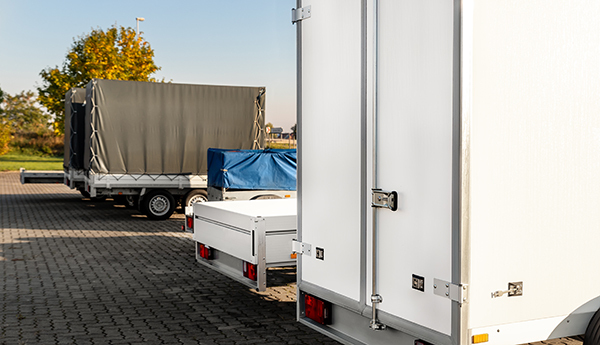
Wireless fleet management works well for unpowered trailers, containers, and equipment. Many businesses use wired trackers on their vans and a wireless tracker on assets without power. With Fleetsmart, our asset trackers can be managed alongside your vans on the same platform, so you can see your whole fleet in one place.
High-value vehicles and theft risk
If security is your main concern, choosing a hardwired tracker with remote immobilisation can bring great peace of mind. It’s hidden from view, can’t be easily removed, and lets you stop a stolen van being restarted.
Ready to install a hardwired tracker to your fleet?
Choosing between a wired tracker or a wireless tracker for your van fleet depends on numerous factors, such as how your vans are used, the data you’d like to see, and your budget.
At Fleetsmart, we offer both self-fit and professionally installed wired trackers that are built on software we develop and host in-house, and are trusted by businesses across the UK. Every plan includes a free setup, live location updates every 60 seconds, journey history, alerts, unlimited users, and our iPhone and Android app.
If you’re unsure which tracker is right for your vans, you can contact our team today who can provide expert guidance and a quote that is tailored to your requirements.
Wired and wireless tracker FAQs
What is a wired tracker?
A wired tracker is a GPS tracker connected to a vehicle’s electrical system, so it’s powered by the vehicle’s own battery. It can report on the location of your vehicle continuously and record journeys and mileage. A hardwired tracker is also connected to the ignition, so it can record idling and driving behaviour too.
What is a wireless tracker?
A wireless tracker runs on its own internal battery and isn’t connected to the vehicle. It’s quick to set up and easy to move, but it usually reports less often and needs its battery recharging or replacing regularly.
How long does a wireless GPS tracker battery last?
It depends on the device and how often it reports. Updating reports more often will drain the battery faster, so most wireless trackers balance battery life against how often they check in.
Is a wired tracker better for large fleets?
For vans in daily use, usually yes. A wired tracker never runs flat, reports continuously, and supports the reports and alerts most fleets rely on, including out-of-hours alerts, plus driver behaviour reports on a hardwired tracker.
Can I fit a wired tracker myself?
Yes, if you opt for a self-fit tracker from Fleetsmart. It usually takes around 15 minutes and our installation video talks you through it. A hardwired tracker, which is needed for driver behaviour reports and remote immobilisation, can be fitted by our engineers.