








Vehicle tracking is now a key part of how many businesses manage their cars, vans, and wider fleets. However, if you’ve never used a tracking system before, you may be wondering what a car tracker actually looks like, where it’s fitted, and how it works once it’s installed.
A car tracker is usually a small, discreet GPS device that can be fitted inside a vehicle or plugged into a diagnostic port, depending on the type of tracker being used. Most business vehicle trackers are designed to be hidden from view, connected to the vehicle’s power supply, and linked to tracking software so the vehicle’s location, journey, and activity can be viewed in real time.
In this blog, we’ll explain what car trackers look like, how they function, where they’re usually fitted, and how they can help businesses improve visibility, reduce costs, and manage vehicles more effectively.
What is a tracker in a car?
A tracker in a car is a device that uses GPS technology to monitor the vehicle’s location, movement, and activity. In simple terms, it helps show where a vehicle is, where it’s been, and how it’s being used.
For businesses, car trackers are often used as part of a wider vehicle tracking or fleet management system. This can help managers monitor company cars, vans, trucks, HGVs, and other vehicles through one platform. Rather than relying on phone calls or manual updates, a tracker gives you clearer visibility over your vehicles throughout the working day.
Car tracking can also be useful for planning routes, checking job progress, reviewing driver behaviour, improving customer updates, and protecting vehicles from unauthorised use.
What does a car tracker look like?
A car tracker is usually small, compact, and discreet. The exact appearance depends on the type of device, but many GPS tracking devices are small black or dark-coloured units that are designed to be fitted neatly inside the vehicle.
Some trackers are hardwired into the vehicle, meaning they’re connected to the vehicle’s power supply and placed out of sight. Others are plug-in devices that connect to the vehicle’s OBD port, which is usually found underneath the dashboard. Battery-powered trackers may look slightly different again, as they’re designed to work independently without being connected directly to the vehicle.
Most professional car trackers aren’t designed to stand out. For business vehicle tracking, the device is usually installed in a secure and discreet location so it can operate reliably without getting in the driver’s way.
It’s also worth noting that a GPS tracker isn’t the same as a listening device. A vehicle tracker is designed to provide location, journey, and vehicle activity data, and is not used to record private conversations.
What are the different types of car trackers?
There are different types of vehicle trackers available, and the right option will depend on how the vehicle is used and what information your business needs. Here are some of the most common trackers used:
Hardwired GPS trackers
Hardwired trackers are professionally fitted to the vehicle and connected to its power supply. They’re commonly used for business vehicle tracking because they’re discreet, reliable, and suitable for long-term use.
This type of tracker is often used for company cars, vans, commercial vehicles, and fleets where consistent tracking is important.
Plug-in GPS trackers
Plug-in trackers are usually connected through the vehicle’s OBD port. They can be easier to install because they don’t always require professional fitting.
These trackers may be suitable for simple tracking requirements, although businesses with larger fleets or more complex needs often prefer hardwired devices for added reliability and security.
Battery-powered trackers
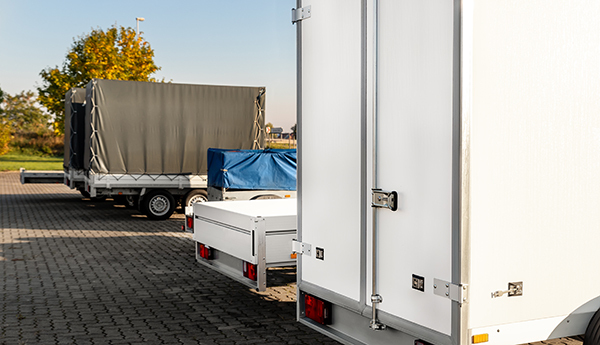
Battery-powered trackers can be used when a hardwired power source isn’t suitable. They may be useful for certain assets, trailers, or equipment, depending on the tracking requirement.
Battery life, reporting frequency, and device placement can vary though, so it’s important to be aware of this so you can choose the right tracker for the job.
Fleet and van trackers
Fleet and van trackers are designed for businesses that need to monitor multiple vehicles, drivers, or mobile teams. They can provide live locations, journey history, route information, driver behaviour insights, mileage data, and alerts.
For businesses with vans, tracking can be especially useful for monitoring job progress, protecting vehicles outside working hours, and giving customers clearer updates.
How and where are tracking devices fitted in cars and fleet vehicles?
The way a tracking device is fitted depends on the type of tracker being used, the vehicle itself, and how permanent the setup needs to be.
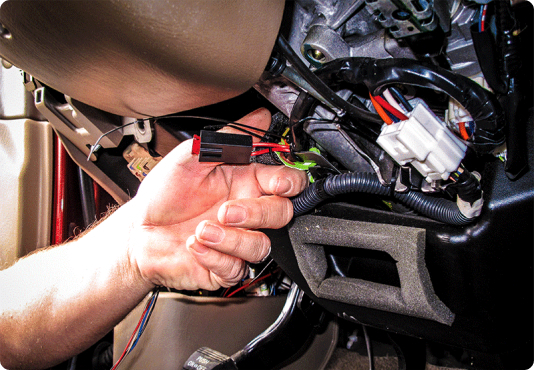
A professionally installed tracker is usually connected to the vehicle’s power supply and fitted in a discreet, secure location. This helps the device work reliably without the driver needing to charge it, move it, or interact with it day to day.
Common fitting areas can include:
– Under the dashboard
– Behind interior panels
– Close to a suitable power source, depending on the vehicle and device type
Plug-in trackers are usually simpler to fit, as they connect through the vehicle’s OBD port, which is commonly located beneath the dashboard. This can be a useful option for businesses that need a quick and straightforward setup, although professionally installed trackers are often preferred for fleet vehicles because they provide a more permanent and secure solution.
The exact location of a tracking device will depend on signal strength, access to power, and the need to keep the device protected. A professional installer will usually choose a position that allows the tracker to operate effectively while keeping it discreet and out of the way.
How do car trackers work?
Car trackers work by using GPS and mobile network technology together.
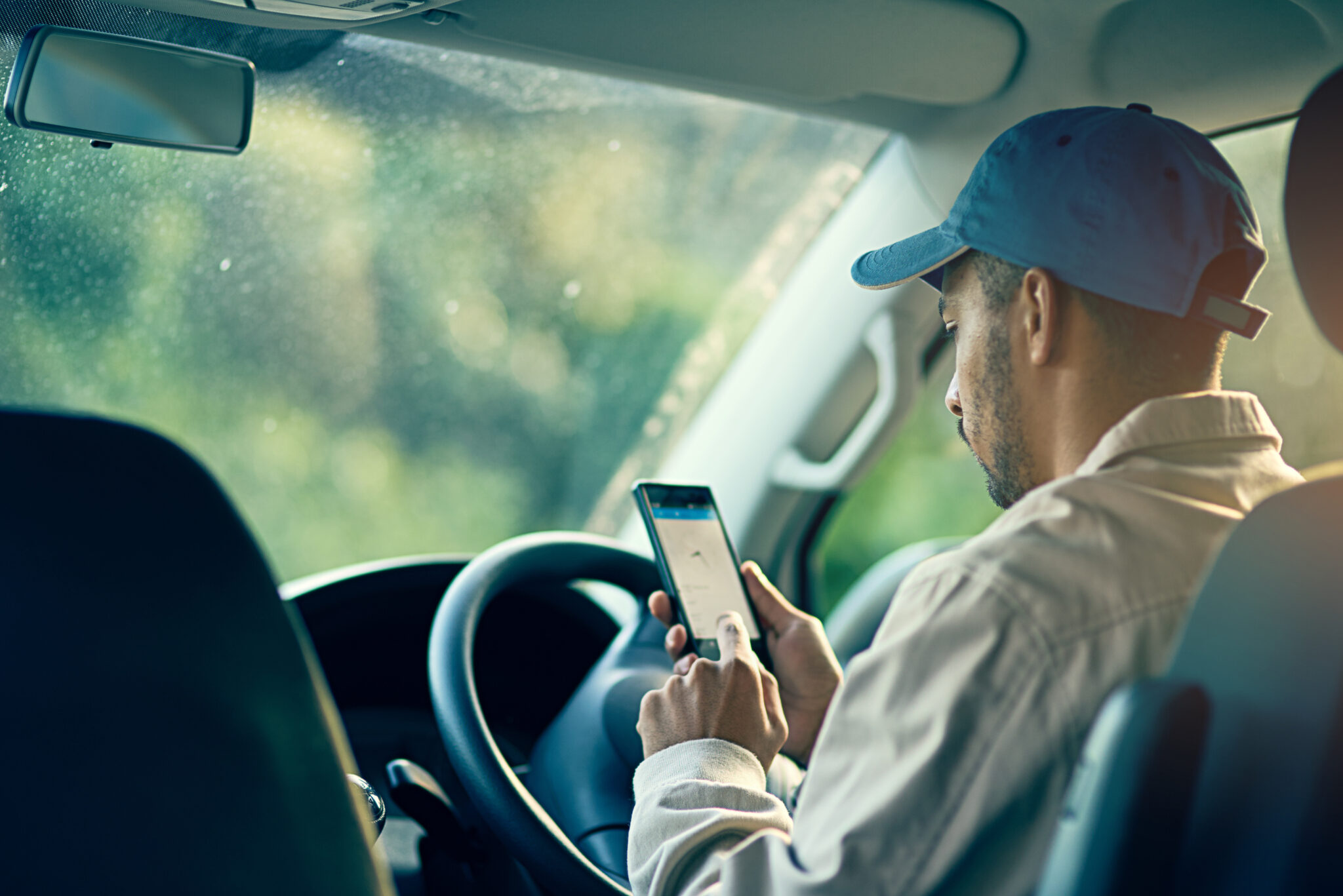
The GPS module inside the tracker receives signals from satellites to identify the vehicle’s location. The tracker then sends this location data to a secure tracking platform using mobile networks. This allows the vehicle’s position to be viewed on a map through a desktop dashboard or mobile app.
This is what makes real-time vehicle tracking possible. Instead of waiting for manual updates, businesses can see where their vehicles are and review where they have been.
What information can a car tracker record?
A car tracker can record a range of useful vehicle and journey data. Depending on the system and device, this may include:
– Live vehicle location
– Journey start and end points
– Route history
– Mileage
– Vehicle speed
– Idling time
– Driver behaviour
– Out-of-hours movement
– Geo-Fence activity
– Arrival and departure times
– Vehicle usage patterns
For businesses, this information can help improve efficiency, reduce unnecessary mileage, identify poor driving habits, and support better fleet planning.
Real-time tracking vs data logging: What’s the difference?
Car trackers can provide real-time tracking, data logging, or both.
Real-time tracking shows where a vehicle is at that moment. This is useful for fleet managers who need to check vehicle locations, provide customer updates, respond to delays, or understand where drivers are during the working day.
Data logging records information over time. This allows you to look back at previous journeys, mileage, routes, and activity. For businesses, this can be useful for reviewing driver performance, checking job history, resolving customer queries, and supporting internal reporting.
Both functions can be valuable. Real-time tracking helps with day-to-day visibility, while journey history and reports help businesses understand longer-term vehicle usage.
What other advanced features and customisations can car trackers provide?
Modern vehicle trackers can offer much more than just basic location tracking.
Geo-Fence alerts are one of the most useful features for businesses. These allow you to set virtual boundaries around areas such as depots, sites, customer locations, or restricted zones. If a vehicle enters or leaves one of these areas, the system can send an alert.
Speed alerts and driver behaviour reporting can also help businesses identify risky driving habits, such as speeding, harsh braking, or excessive idling. This can support safer driving and may help reduce fuel use and wear on vehicles.
Other useful features may include:
– Journey reports
– Maintenance reminders
– Route history
– Idle time tracking
– Mobile alerts
– API integrations
– Dash camera options
– Remote immobilisation
The right features will depend on your business, the size of your fleet, and how your vehicles are used day to day.
Talk to our team for expert guidance
If you want better visibility over your company cars, vans, or wider fleet, we can help you choose the right vehicle tracking solution for your business.
Our vehicle tracking system gives you real-time location data, useful reports, journey history, and more optional features to help you manage your vehicles more effectively.
Don’t hesitate to get in touch with our team today to discuss your vehicle tracking requirements in more detail and to get a quote.
Car tracker FAQs
Are car trackers always visible?
No. Many professional vehicle trackers are fitted discreetly so they’re not easily visible. This helps keep the device secure and avoids it getting in the way of the driver.
Do van trackers look different from car trackers?
Van trackers often look similar to car trackers because they use similar GPS technology. The main difference is how they’re used. Van trackers are often used by businesses to monitor routes, jobs, drivers, and vehicle activity across a commercial fleet.
Do car trackers need the internet to work?
Car trackers usually use GPS to identify location and mobile networks to send data to the tracking platform. The tracker itself doesn’t work in the same way as a home internet connection, but it does need a way to transmit data so the location can be viewed online.
Can a car tracker help with fleet management?
Yes. A car tracker can help businesses monitor vehicle locations, plan routes, check journey history, improve driver accountability, and protect vehicles. When used as part of a fleet tracking system, it can support better day-to-day management and clearer reporting.